Jake Sanders
Content Strategist
Token usage is one of the most closely watched numbers in AI marketing right now. By now, teams are aware of what they're spending. AI usage stats show up in dashboards, get flagged in budget reviews, which means this is starting to become a standard line in the AI conversation about ROI. The awareness is there.
What's less common is understanding what that number is actually measuring.
Tokens aren't simply an AI cost center, they can also serve as proxies for behavior. And when it comes to AI agents for marketing, tokens run everything.
Every prompt your team sends, every instruction an AI agent executes, every input received and output it generates is measured in tokens, which are roughly equal to three-quarters of a word. And then there’s different types. Input tokens, output tokens, cache tokens, each carrying different weights and different costs.
The meter is always running, and what the meter is measuring is how your AI is working — where it's focused, where it's spinning, where it's producing, and where it's burning effort on vague instructions it has to interpret before it can even begin.
Understanding token usage as a signal of AI behavior, not just a spend figure, is what shifts the question from "how do we spend less on AI" to "are we giving our AI what it actually needs to do the job."
There's an ebbing flow in online conversations about tokenmaxxing — the practice of routing tasks to cheaper, lighter models to get more output per dollar. Performance and cost differences between model tiers are real. At scale, the difference in spend is significant, and taking that into consideration is wise and reasonable.
But Paul Deraval, NinjaCat CEO, is direct about where the conversation goes wrong:
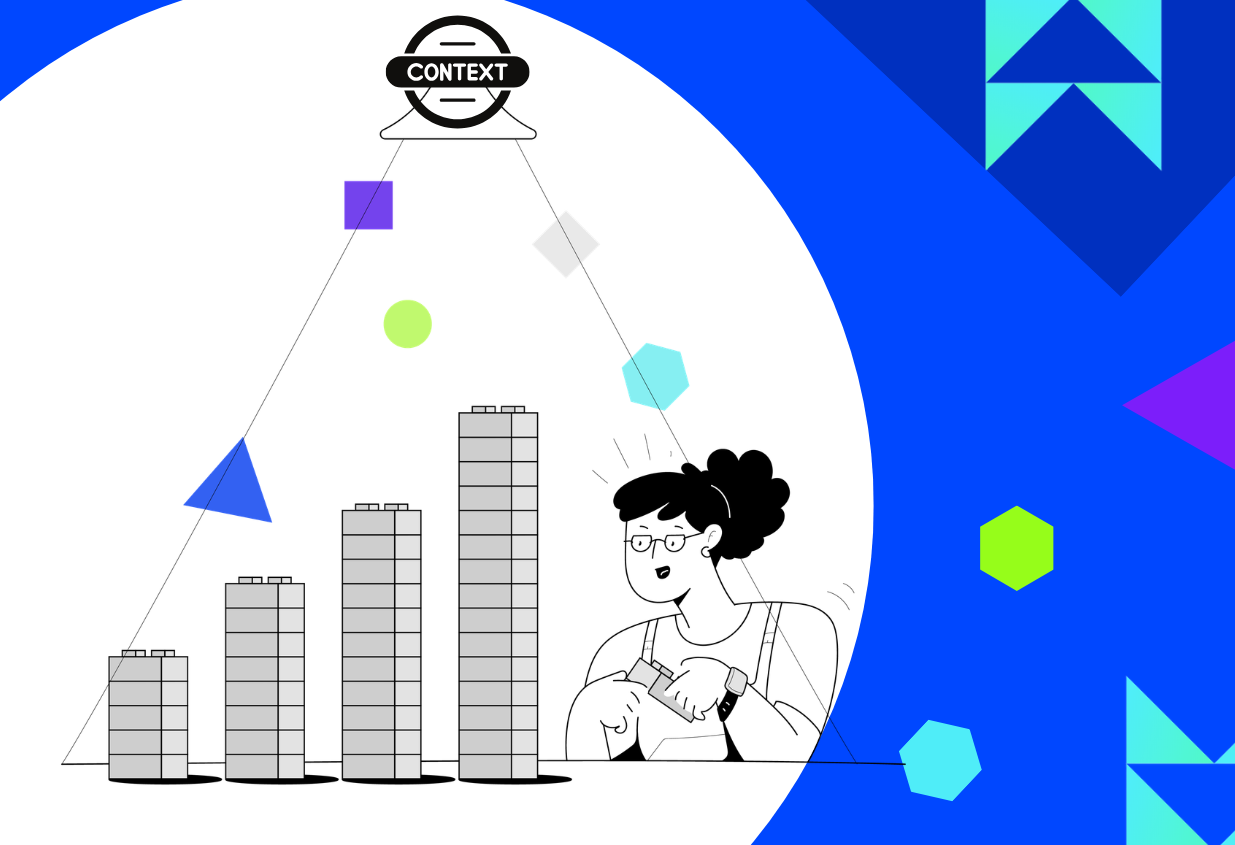
"Optimizing for cost is the wrong starting point with AI, or at least, it's more useful at later parts in the optimization chain. The starting point is context. 'What can I spend less on' and 'what does this task actually require' are different questions."
Cost optimization is a downstream activity. Getting to it requires already knowing what each task demands, which model is suited for it, and how much context the model needs to run correctly.
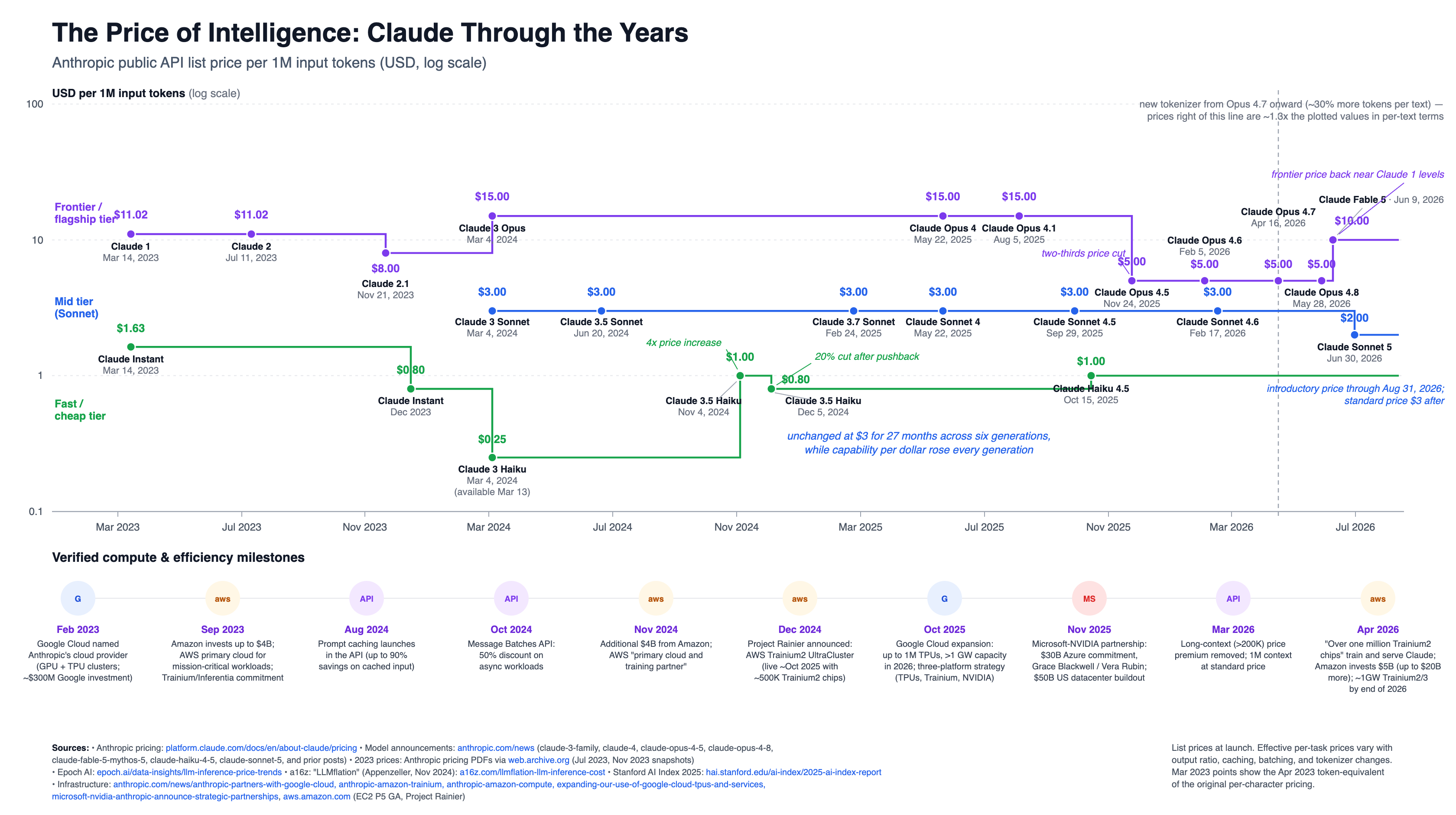
Most teams are trying to optimize before they've answered any of those questions. The result is cheaper outputs that are also worse, matched with a growing frustration that AI isn't delivering on what was promised.
If one considers only financial angles, it makes sense that model selection appears to be a simple budget decision — pick the expensive model for important work, the cheaper one for everything else.
However, these models are each built with specific use cases in mind, and forgetting that, can negatively impact the performance expectations around AI.
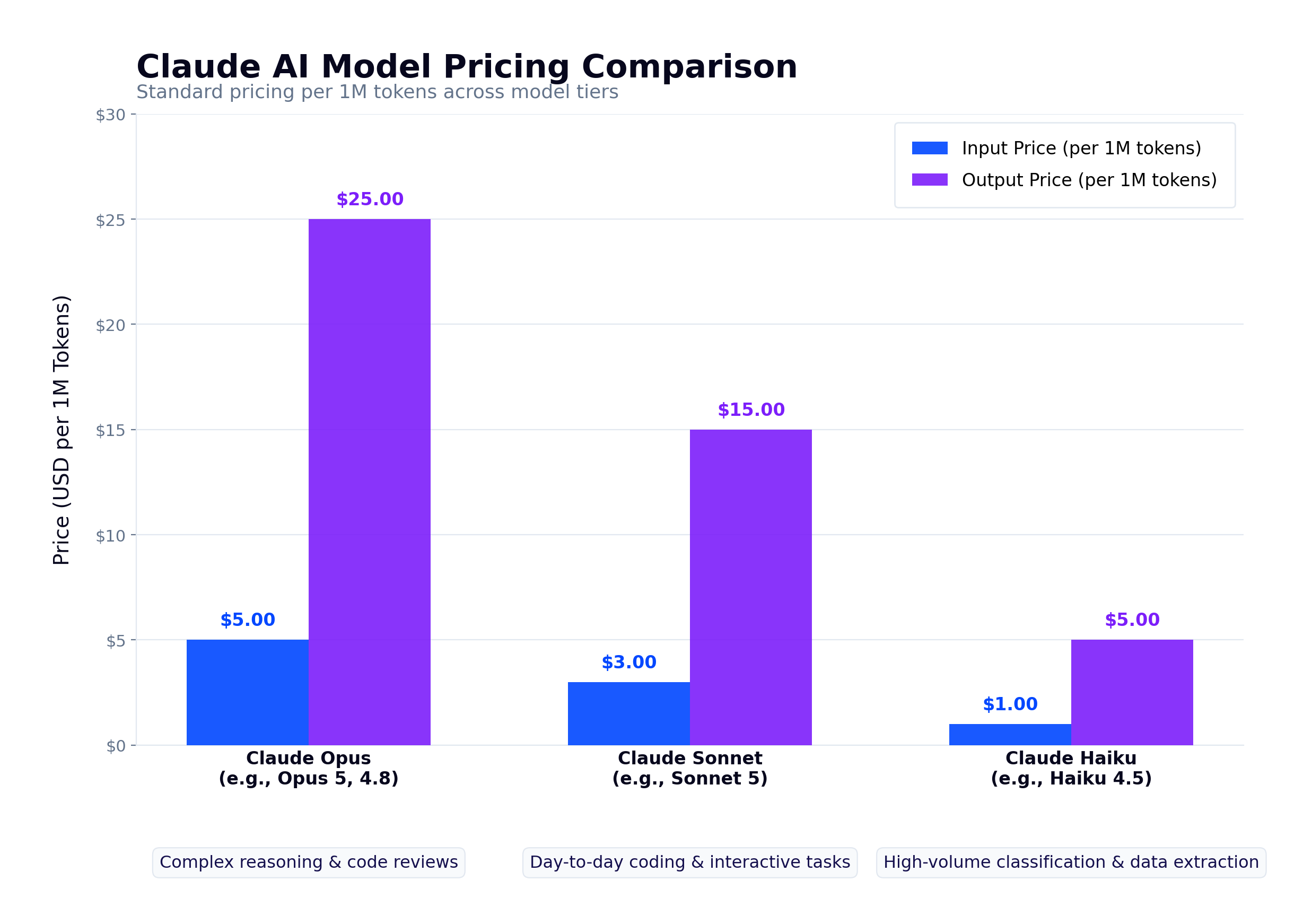
Take Anthropic's Claude model family as a working example — the same tiered logic applies across most serious LLM providers. Opus is designed for complex reasoning, architectural thinking, deep planning work. Built to hold and work through ambiguity across large, intricate problems. Sonnet sits in the middle with broad capability, having a strength in task execution and lateral thinking which makes it ideal for building and iterating. Haiku is built for something different entirely: tight pattern matching, single-purpose tasks, high-volume repetition where speed and precision matter more than depth.
None of these is a discount version of another. As Paul puts it:
"The reason lighter models exist isn't that they're budget Opus. They're built for different work. A heavier model on a simple task isn't better. It might be slower and more expensive. Force a heavy model through the wrong work and you'll max out fast. Push a light model into complex reasoning and you'll hit its ceiling before the task is done."
For agencies running AI across campaign reporting, content generation, data analysis, and client communication, often simultaneously, the distinction between those two failure modes is consequential. Mismatched model selection bleeds budget in one direction and produces incomplete outputs in the other. Both erode trust in the tooling.
The concern before selecting an appropriate model shouldn’t be "what can we afford." The central question is what does a specific job require, and how much reasoning does it actually demand.
AI agents are task-based. They receive instructions, run through them, and respond. The quality of the output is directly proportional to the quality of the context going in. And notice, context does not equal the length of the content, but the precision of it. Too little context and the model has to make assumptions, often incorrectly. Too much and you're burning tokens on noise that dilutes the signal. The target should be exactly what the task requires, no more, no less.
Writing those instructions well is a professional skill. And that skill requires knowing the domain.
If you're asking an AI agent for marketing to analyze campaign performance, flag anomalies in media spend, or synthesize cross-channel reporting into a client-ready narrative, you have to understand what good looks like in that work. What a real anomaly looks like versus expected variance. What a client needs to see versus what the data technically shows. Where human interpretation is required and where it isn't.
An AI can execute that work at speed and scale, but supplying the judgment that the instructions require is the part that cannot be delegated.
There's no prompt template that substitutes for domain expertise. The person writing the instructions has to know the work.
For marketing tasks, that means a marketing engineer has to own the context — not hand it off to a vendor's default setup, not treat it as a one-time configuration, but actively maintain it as the work and the data evolve. Having visibility into how models are being used, the ability to route tasks across different models based on what each one is built for, (both standard with NinjaCat AI Agents) and an honest cost awareness are all part of what brings that kind of craft back into the foreground.
The conversation is shifting from what AI can do to how well it's being directed, and for agencies and brand marketers, professional judgment is what sits at the center of that shift.
The craft of context in marketing engineering is actionable if you can't see what your AI is doing.
Tooling that doesn't show you which models are running which tasks, how tokens are being consumed across different workflows, and where cost and quality tradeoffs are landing leaves you without a basis for making better decisions. Assessing task-fit requires a clear picture of model behavior. Improving instruction quality requires feedback on where outputs are breaking down.
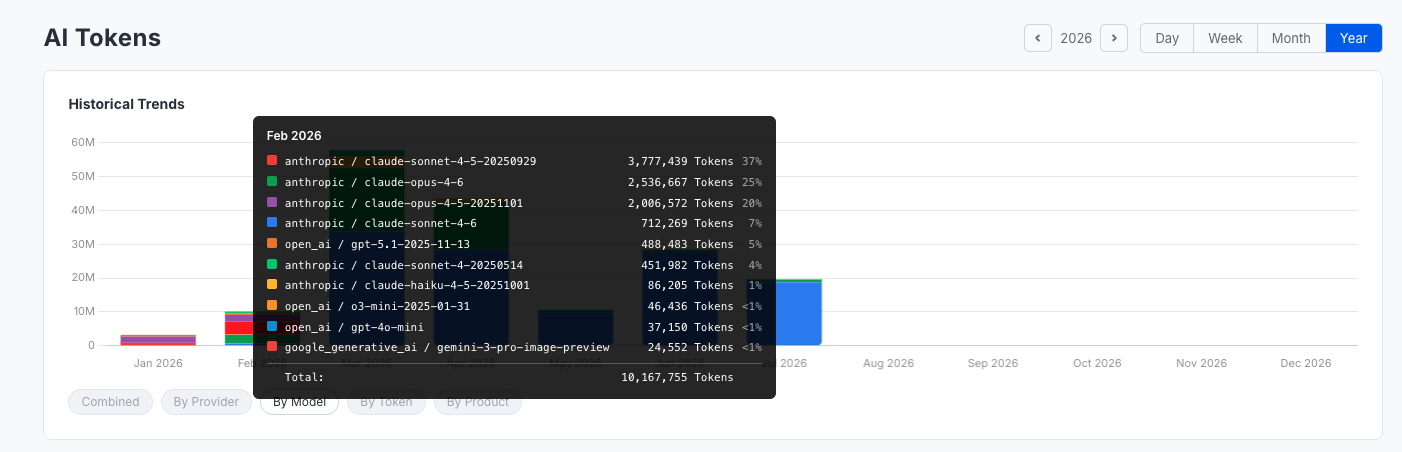
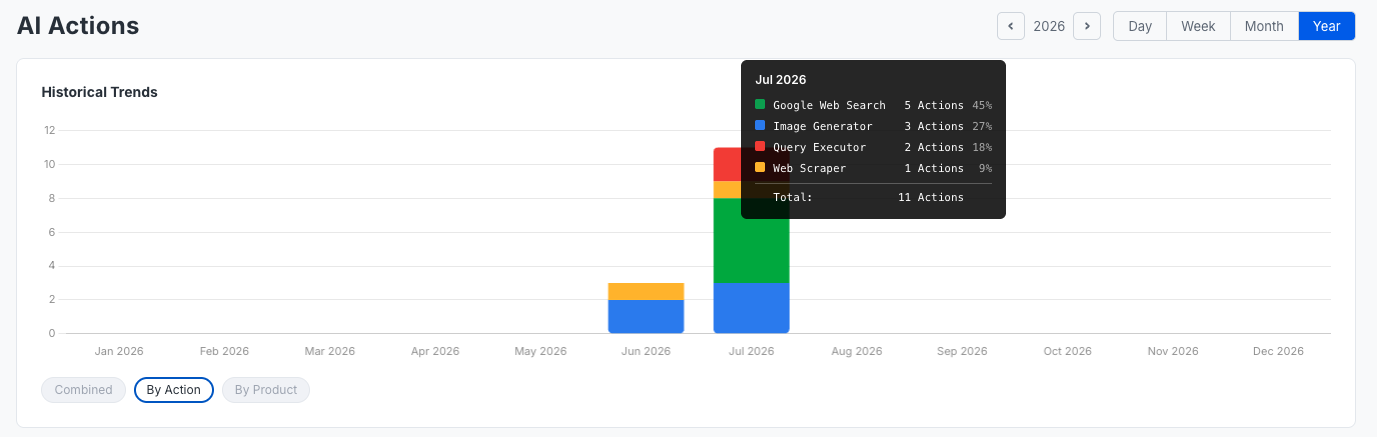
After understanding where the AI tokens are flowing, is figuring out the task fit for workflows, which might require switching models. Routing tasks to the right model requires a platform that offers such capability.
Model agnosticism, which is the ability to select and switch between models at the platform level based on task requirements, isn't simply more optionality inside the AI marketing stack. The ability to match model to task, across a tiered range, without rebuilding your workflow every time a better or more appropriate model becomes available, is what makes the task-fit approach workable rather than theoretical.
The teams making real progress aren't the ones spending the least on AI. They're the ones who have answered the upstream questions — what does each task require, which model is built for it, and what context does it need to produce accurate, usable output — before they get to the cost conversation. Better outputs follow from better direction. The spend optimization follows from there.
NinjaCat’s is a model-agnostic agent operating system for marketing teams, with clear AI usage stats for all our customers. If you want to see NinjaCat in action and get a hold on tokens and context, Book A Demo.