The Marketing Engineer Mindset
Published:
Updated:
October 27, 2026
Table of Contents
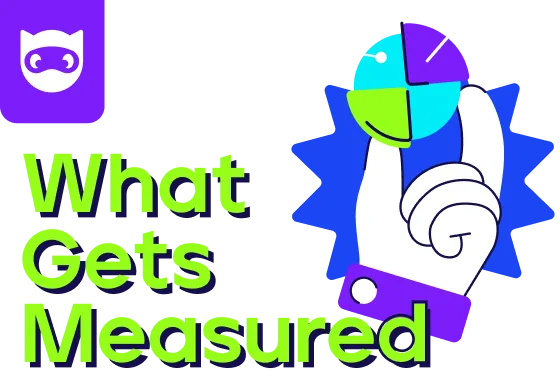
Keith Clay has spent his career refusing to accept “that's just how agencies work.”
That exact line is in his LinkedIn bio, and also turns out to be the clearest description of what a marketing engineer actually is — not a job title, not mastery of a particular tech stack, but a refusal to let operational drag, and incuriosity, consume the work that actually matters.
Keith is SVP of Product and Operations at Overdrive Interactive, a hyperlocal performance agency based in Boston. On this episode of What Gets Measured, he walks through the mindset, the operating principles, and provides one, artful piece of marketing engineering advice he keeps repeating until his team gets tired of hearing it.
The First Problem Every Marketing Engineer Has to Solve
Keith traces his frustration to the beginning of his career. You come in expecting data-driven marketing strategy. You get spreadsheet maintenance.
"You come in and they're like, 'Okay, you're gonna fill out these daily pacing sheets, you're gonna do reporting, you're gonna pull all this stuff from a platform,'" he said. "And I just kept always thinking to myself, when am I gonna get to the good stuff? The stuff that I'm actually interested in. The business side of it. The real strategic end of it."
Daily tracking, budget pacing, reporting, time tracking — none of it connected to what he was hired to think about. The frustration stayed in the background for years. What changed recently was the possibility of doing something about it.
"It's always been in the back of my mind. It's just really been the last couple years that it's been a possibility to enable not just people more senior, but now other people can start investing the time and effort to the things that are gonna really advance their career and make them good marketers — versus just people that are good in Excel."
What a Marketing Engineer Automates — and What They Don't
Keith applies two tests when deciding what technology should touch.
First: is the task mundane or repetitive in a way that doesn't make anyone better at their job? Second: is it prone to human error — the small clerical mistakes that slip through not because someone isn't skilled, but because they're too tired, distracted, or overwhelmed for oversight?
"Those are the things I generally look at first," he said. "And honestly, most often those are the things that are gonna give everyone most of their time back to start reinvesting into the work that they should be doing."
But automation has a ceiling. Keith is direct about where it stops adding value — and starts subtracting it.
"When you automate everything soup to nuts, you're missing the real juicy pieces," he said. "The part that experience and hands-on in-platform and just being in the market for a long time provides. That's the good stuff. That's the stuff that clients want — understanding the nuance of a platform, or ways to use a specific tool or capability in a way that it either isn't designed for or isn't outwardly communicated as being useful."
The $99/month fully automated agency is his counterexample. The technology handles everything. The expertise disappears with it.
Governing that ceiling is its own discipline. At Overdrive, Keith manages a spectrum — people who resist automation entirely and people who want to automate everything immediately. He's stopped thinking of either as a problem.
"Not everyone's just gonna be able to automate everything immediately, and those steps along the way are very important. Having that process, and tying it to first knowing what to automate and when — what's gonna be most impactful in time savings and client outcomes — that's how you get there in a way that is meaningful."
The slower adopters, he said, provide a kind of governance. They’re curious about comprehensive marketing data analysis, and ask questions the speed enthusiasts skip. Both are necessary.
The Marketing Engineer's Design Principle: Artfully Simple
“Artfully simple” is the phrase Keith says he beats like a drum when it comes to work in general, but especially engineering agents or execution and delivery of AI artifacts. His team is probably tired of it. He doesn't plan to stop.
"Any AI artifact should be so artfully simple, both in how the outputs are, but also in how we're building them," he said. "When you make it artfully simple, it just inherently leaves space to not over-engineer, or provide too detailed of instruction where you're always gonna get the same output regardless."
The principle runs in both directions. On the output side, the test is whether someone running between meetings on their phone can absorb what matters without opening a giant email on a giant screen. On the system design side, simplicity is what keeps workflows flexible — it leaves room for the tools to evolve without requiring a rebuild every time a platform changes.
Keith frames the ability to synthesize as a marker of career progression. Junior practitioners produce volume. Senior practitioners know what to cut.
"Whatever your output is, before it gets sent out — you can have all this information, you can have a really long format — but you need to synthesize it down to the effect that it should appear so artfully simple that it's like, 'Wow, I can't believe you were able to outline a process or communicate something so clearly with so few words or data points.'"
How Marketing Engineers Build Client Trust
At a recent 4As fireside chat, Keith showed a dashboard his team built on NinjaCat. The AI agents weren't just monitoring and recommending. They were recording what changed, why it changed, and what happened afterward — a full change log with explainability baked in.
The effect on client conversations was immediate.
"It's allowing us to have much clearer, concise conversations with clients. It's almost like more of a collaborative relationship, more so than regurgitating findings on a call. We're next to the client, and we're saying, 'Yes, these are the things we've identified' — but they're coming to these meetings with a level of curiosity, and better ideas that emphasize how good they are at what they do and how much knowledge they have in the space."
The baseline work — budget pacing, click-through rates, CPCs — still gets done. But it no longer consumes the meeting.
"We don't need to go over ‘are we on pace with budget?.’ It's like, sure, we're looking at that stuff. We'll identify if there's anything weird or funky going on. But none of that really matters to your business objective when we're talking about getting to an endpoint. Let's talk about the factors that are gonna be tied directly to moving the needle."
The shift Keith describes isn't simply operational, but relational. When clients arrive prepared — curious, thinking forward — they bring ideas. They ask for opinions. They treat the agency as a collaborator rather than a vendor reporting on what already happened.
"That's been really cool to see. It builds a really cool relationship, and a lot more trust with clients."
The One Thing Every Marketing Engineer Needs to Do
When asked to consolidate everything into one piece of advice for marketing engineers, Keith didn't hesitate.
"Get your hands dirty. You need to be hands-on and pressure test these things. You need to see what different inputs provide different outputs, what is possible."
The instruction extends to how he brings reluctant team members along. He doesn't explain the tools. He hands them the tools.
"Lead them to the tool and let them self-discover and have that aha moment for themselves. You can read concepts all day long and those are valuable to understand or give you a baseline — but you need to use the tools to pressure test it and figure out where is the limit. What are the challenges? What are the roadblocks? What are the things that could be better, aren't working great right now — but what are the things that are?"
That last question is the one Keith keeps returning to throughout the conversation, in different forms, across every topic: not what's broken, but what's possible. Not what the tool was designed for, but what else it can do. Not when do I get to the good stuff — but how do I clear everything in the way of it.
Listen now: Spotify | YouTube | Apple
Connect with Keith: LinkedIn | Website
Subscribe to What Gets Measured for more conversations like this.
Transcript
# The Marketing Engineer Mindset
**Jake:** [00:00:00] And we're going. Keith Clay, welcome to What Gets Measured. How are you, sir?
**Keith Clay:** I'm doing very well, thank you. How are you?
**Jake:** Fantastic. We find you in Boston in, in the, in the offices and auspices of Overdrive, um, where you're just cranking the marketing machine
**Keith Clay:** All day long. That's what I do.
**Jake:** All
**Keith Clay:** What I like to do actually now, I'm more and more interested, you know
**Jake:** I, I, uh, now we'll get into this too, because it's, it's some people are finding tech as sort of this, uh, encumbrance, like, "Oh, no." And some people are finding it's, like, unlocking, like, new dimensions, and a lot of people are falling in between. So I guess we're gonna be talking to those folks, um, on all sides of the spectrum. But I just wanted to start out, I, I was checking out your LinkedIn bio, and you, you d- you describe a through line in your career as refusing to accept that's just how agencies work. And I was like, "Oh, let's get this guy on." So
**Keith Clay:** [00:01:00] Yes
**Jake:** of performance marketing. What are some of the agency standard practices that you've questioned the most? Um, we could start there, but I'm just wondering, again, from that questioning, how does it fix into what you're doing today?
**Keith Clay:** I mean, the stuff that's always bothered me or the stuff that I've always questioned the most is just the repetitive and mundane daily works and daily checks that, I, I mean, are essential to running a business effectively and keeping clients happy. But it's just always sat in the back of my mind, there's just got to be a better way to do this, um, or at least just make it a little bit less boring.
**Keith Clay:** And I mean, thankfully, just a nice marrying of where I am in my career and where we are with technology right now that is actually enabling me to be able to make changes in that space and really solve for a lot of those things that have driven me crazy over the years
**Jake:** Right. And when you're talking about mundane stuff like get into it, are you talking like time, uh, time sheet [00:02:00] bound stuff or, uh, client deliverable things, or just dashboards? Like, you're just like... me some specific ones that you're like, "Not this again."
**Keith Clay:** I mean, e-everything that you've mentioned, things like daily tracking, budget pacing, um, reporting, time tracking, um, just all the mundane things that like at the end of the day when you come in and you're saying, "This is what I do as a marketer, this is what I'm interested in,"
**Jake:** Right
**Keith Clay:** have nothing to do with that.
**Keith Clay:** Um, it's those like repetitive tasks that are more just, yeah, have nothing to do with what you're trying to accomplish at the end of the day or, or drive business outcomes.
**Jake:** Well, and, and just give me a sense on how you came to that realization. Like, man, this isn't touching, like, the rail. Like, I, I don't feel the traction. I don't feel it. When did you realize that personally? You're, when... 'Cause some people are like, "All those things you said, that's great. I'm plugging away. I'm, I just, you know, filled out my thing.
**Jake:** I did my, you know, gave you my charts. I'm good." When, when did you kinda [00:03:00] have that switch, like, hold on
**Keith Clay:** I mean, that was, uh, at the beginning of my career, I guess. It was-- It's always been in the back of my mind 'cause you come in, especially, um, you know, at the start of my career when I started getting into digital, you have this expectation of like, "Yeah, I'm gonna be a marketing strategist. I'm gonna be making decisions."
**Keith Clay:** But, I mean, you obviously can't necessarily do that without having the experience of what needs to happen. Um, so it's always been in the back of my mind is, you know, you come in and they're like, "Okay, well you're gonna fill out these daily pacing sheets or you're gonna do reporting, you're gonna pull all this stuff from a platform."
**Keith Clay:** Um, and I just kept always thinking to myself, like, "When am I gonna get to the good stuff? The stuff that I'm actually interested in, the, the business side of it, the, uh, the real strategic end of it." Um, a-and that's really... Like it's always been in the back of my mind. It's just really been the last couple years that it's been a possibility to enable not just people more senior, and I've been doing this for a long time now, so I'm, I am in that space.
**Keith Clay:** Um, but now it's to a point where other people [00:04:00] can start doing those things and start investing the time and effort to the things that are gonna really advance their career and make them good marketers versus just people that are good in Excel and people that are, you know, able to navigate a, an ads platform or things like that.
**Jake:** And, and it's weird because you get the feeling I'm the person who they go to for their special needs, like a HubSpot specialist. Like, like if you got any questions, go to, you know, blank. Um, and then you kinda get feeling good about that. Um, I... What you mention is that breakaway, is there something on the other side?
**Jake:** And maybe since you've overseen a lot of teams across different places like paid media, search, social, creative, you, you wanna build systems for how people are doing the work. Um, and then you're saying, like, learning how to do it better. H- said now that technology is giving you the ability to kinda spread that knowledge around, how do you decide what to automate?
**Jake:** I mean, is [00:05:00] it that mundane stuff? Is that the first to go? Um, like, w- how do you decide what's worth automating or putting technology towards?
**Keith Clay:** There, I mean, there's a couple different pieces of it. One is just the, the things that are repetitive that really aren't going to make anybody better at the job that they're hired for or the, the role that they're in. The other piece of it that comes into play when we're deciding what to automate or what not to automate is really, like, what are the pieces that are really prone to human error, little clerical errors or, um, nuanced little things that, that will frequently get messed up.
**Keith Clay:** Um, those are the things that, that I generally look at first. Um, and honestly, most often those are the things that are gonna give everyone most of their time back to start reinvesting into the work that they should be doing to be good at their jobs, to provide value for clients
**Jake:** Man. So it's weird. It's stratif- it's stratifying the mundane and things that are [00:06:00] high oversight. Is that what I'm understanding?
**Keith Clay:** Yes. Yes
**Jake:** It's crazy 'cause that's such a huge gap, right? Uh, you know, and where do you see people wasting their automation time? Like, probably in between these mundane things and these things that require high oversight, where do you see... I, uh, I don't know if you're looking out your window and seeing this or maybe just, you know, observing.
**Jake:** Where, where are you maybe seeing technology being applied wrongly? Like, you automated that, question mark? Like, you have any
**Keith Clay:** Yeah.
**Jake:** that?
**Keith Clay:** Yeah, I mean, I, I think I'm finding, especially in the digital space, 'cause there's a lot of agencies that are rolling out where you're, like, paying a subscription and it's like, "We'll run all of your marketing," or, "We'll do everything that any, a, a typical agency would provide,
**Jake:** Угу
**Keith Clay:** for a fee of, like, $99 a month," kind of thing.
**Keith Clay:** And I, I think where they're missing the mark in automating everything is you're missing the real, the real juicy pieces, the part that, uh, [00:07:00] e-experience and hands-on in platform and, and just being in, in the market for a long time. Like, that's the good stuff. That's the stuff that clients want, is understanding the people that know the nuance of a platform or maybe ways to use a specific tool or capability in a way that it either isn't designed for or isn't outwardly communicated as being useful for.
**Keith Clay:** And when you automate everything soup to nuts, you're missing, like, that good part, the human element of it, which I think is what really we provide a lot of value in. Um, but go ahead.
**Jake:** Oh, no, I'm sorry to interrupt. I was just thinking, like, is that based on, um, anything that I'm automating or I'm putting technology towards, it's got to make... It's gotta reflect how people are actually doing the work. Um, and then it has to improve their day-to-day experience, and it also has to build their knowledge.
**Jake:** I mean, would you say that that's sort of the criteria that you apply? Um, I'm- I jumped in
**Keith Clay:** No, absolutely. I, I mean, [00:08:00] it, it should enhance the work that, enhance the work that they're doing. Um, it, it's a, like, it's an artful balance of leveraging the, the experience, expertise, like the specialty that someone brings to the table, um, and what the technology can provide to really level up the work that's being done.
**Keith Clay:** Um, everybody's gonna have their own perspective or their own approach to things. It's not gonna be the same for everybody, and that's okay. I, I think what's important is to take someone's level of experience and knowledge, they can be the best at what they're doing, but allowing the technology to leave a little bit of space and maybe fill in gaps or surface things that maybe you weren't thinking of.
**Keith Clay:** And it could just be, you know, a, a lack of experience. It could be 'cause you're tired that day. It could-- There could be a million different reasons for why something might slip through the cracks or something might not be considered. Um, and I, I... Like, that's where the best of it is, is, is combining, like, people that are really good at what they do on any given day, and then leaving just a little bit of [00:09:00] space to leverage the technology to kind of fill in those gaps and enhance the work that they're doing
**Jake:** I love, I, there's a couple themes, like of course you want, we want to talk about data and technology and stuff, but you're talking about space, you're talking about, um, curiosity, you're talking about a lot of s- juiciness. You know, you've used that word and you're like, well, you would want to, to, to know where the juicy stuff is, you would have to have an interest in juice. You know? So it's like, it's interesting to... How, how, how are you, um, how do you help your team get the sense for the juice? Like, I, I'm being loose and I'm being metaphorical here, but I think we're on the same line because when I started marketing, I wasn't allowed to look at the P&Ls. They were like, "Just do your thing." And, and, you know, and I was like, "Well, I'm interested in what we're making, like, and losing and w- what channels are..." I finally got a sense of what that was and they let me [00:10:00] know, it blew my mind and it changed my life and I was like, a lot of marketing, if you don't get to those P&Ls, um, which for me was that juiciness, like for real, how are we making money, for real, and how, how are we spending it, know? do you get people amped on the juice? Do, or, or is that their job or do you want them just focused on, is it all juice all day? I'm sorry to stay in this metaphor, but do you know
**Keith Clay:** no. I mean, that's my own fault for using that. But no, it, it, I mean, that is what it is. Um, I, I mean, I'm finding a lot of that is, is tied to how you staff these roles. And, and frankly, it's been, it's been a, a, an evolution and a change to our operating model for the people that we're staffing in these roles.
**Keith Clay:** And it, it's not always a perfect fit. Uh, we have seen people, you know, self-select that just feel like maybe this isn't for them. But I, I find it's inherently in the people and teams that you're hiring for these roles [00:11:00] need to inherently have a level of curiosity, um, of creative thinking, of resourcefulness that it, it allows them to just inherently want that juice or look for the good stuff.
**Keith Clay:** Um, 'cause I think that's... It is harder to train that, you know?
**Jake:** I don't know how you could. I mean, but it, it, 'cause it comes from like a, "Wait, why are we doing this?" Or, and I love that I, I just wanted to start with that refusing to accept that's just how it gets done. That's just how we work. And,
**Keith Clay:** Ja
**Jake:** but, but then how do you tamp down, um, some people would say, "Hold on. Don't invite all the Rage Against the Machine fans to our factory." You know what I mean? Um, how do you get them sort of clamping down on, um, nuke it all, t- like all processes are gone? Like, maybe that's right, but you used the word evolve. Um, I'm just wondering if you have any advice for people who are like, [00:12:00] um, "Well, that's just, we're changing everything because we do it differently."
**Jake:** And you're... Do you have a, like a line where you're like, "Hold on now"? Do you blend those?
**Keith Clay:** Um, I guess, how do you mean? I, I mean, I think it helps when everybody understands what the process was originally to, to understand what the value and benefit of some of these tools are versus just giving them a tool to do everything for them. I'm not sure if that's what you, what you're asking, but I think that is a, a piece of it
**Jake:** yeah, that is a piece of it. And w- and that was a new part of what I was asking. But just in that sense of refusing to accept how this just gets done, if everyone had a sense where like, "I'm just... Like, we're doing it differently," and you're like, "Hold on. We do have to follow some processes." Do you know what I mean?
**Jake:** Like, you can't be constantly evolving, right? Do you know what I mean? Like, how do you put a tamp on that and focus that laser beam of, like, revolutionary [00:13:00] energy?
**Keith Clay:** Um, I mean, I, I think the people that are kind of slowing, not slowing things down, but that are a little more process-oriented, um, I think they provide value in, I, I, I guess I'd even say a level of governance to some degree. Um, not everybody's gonna be just fully leaned in and ready to like, "Let's automate everything."
**Keith Clay:** Some people are gonna be a little bit slower to adopt or a little bit, need a little bit more detail around that process. Um, and that balance is actually helpful to make sure that when you're trying to go from A to Z, and like you're saying, like revolution, like all at the same time, it's a, it's a process to get there.
**Keith Clay:** Not everyone's just gonna be able to automate everything i-immediately, and those steps along the way, um, are, are very important. So having that process, uh, and tying it to, first of all know what to automate and when, like we were talking about, and what's gonna be most impactful in time savings and, you know, client outcomes and benefits.
**Keith Clay:** So, uh, I guess [00:14:00] to, to make a long story short, it's, it's a blend of both and leveraging those types of people and processes to get there in a way that is meaningful
**Jake:** I, I'm, y- yes. You know, she's like, "The 25,000..." "Yes." And he gets to move on. Um, no, I, I think it's great because, I think there was something that you said about space in between the people, the processes, and the tech, which I really love because you're like, it's not all wrapped up. It ha- it needs to evolve.
**Jake:** There's steps. I, I just really appreciate the way you've about the way you got into this, and then talked about your experience with it. And now there's this new term, um, marketing engineer, which is a hybrid professional who combines marketing strategy with technical building skills, automation, data infrastructure, and AI-enabled workflows to turn go-to-market plans into scalable systems.
**Jake:** Huh. I'm wondering, is this a new thing? [00:15:00] is this just like old skills wrapped up in new, like, tech?
**Keith Clay:** Um, I mean, I, I guess it, it-- I to some degree, I guess it is kind of like an old skill wrapped into new tech, but the way that you're gonna approach it is gonna be a lot different.
**Jake:** Totally
**Keith Clay:** 'cause it-- the foundation of what you're trying to build is gonna be... is gonna start at a different place. I feel like historically there is a, a very linear cadence to how things are done with process and whatnot, but when you're automating these tools and systems, the space that you have to start at first is very different.
**Keith Clay:** Um, because things move so quickly, because things are done at, you know, at varying steps or processes along the way are automated entirely, before you can even get to any of those steps, you know, you have to look at what's most important first. And these systems are being fed so many pieces of data and signal from different platforms and sources and formats and from clients and [00:16:00] all of that stuff.
**Keith Clay:** So at the core of it, before you can even take step one or step two, I guess I should say, is you need to make sure all of those data and inputs are both correct and accurate and being piped in properly in order for anything else in that system to work. 'Cause if the data's wrong, even the most polished answer or output is gonna be useless or in some cases damaging for clients, um, or for the business because, y-you know, if you're moving towards the wrong goal, w-you're hurting yourself, right?
**Keith Clay:** So
**Jake:** enjoy losing it. But I was just thinking, like, a marketing engineer doing the right thing is great. A marketing engineer doing the wrong thing is like, no, we gave them all these hybrid technical skills of, like, automation and data infrastructure." I think you're right. Step zero is what's important. Uh, you know, but, but the data layer seems like... I, I just recently was in San Francisco and I saw all these billboards and was like, "We're [00:17:00] the data layer under AI." Data, AI runs on data, you know? And I don't know where these billboards and taglines are coming from. I was like, are they just now discovering that AI runs on data? You know? Like, I h- like, there's u- there's a jagged frontier here. You know, just like what you said, slower processing speeds, maybe linear thinking folks, and then folks who are j- all in, gleam in the cube on the front. How do you kind of bring, uh, bring those... Does technology help a place where the Luddites and the tech people will eventually come together?
**Jake:** Like, it sad? Like, even if you didn't like this, and even if you really love this, we still are using this. It's software, you know. Um, I'm just wondering, how do you deal with people who are, like, way in the future and people who are still slow? Do you see AI as a way to help bring them [00:18:00] together?
**Keith Clay:** Yeah. No, I, I mean, absolutely. I, I think one of the things that I found to be most important moving into this space is, like, a, an underlying training and education of how these tools work and what they're for, which are going to be, you know, very obvious to the people that are more leaned into it. But it kind of provides or starts giving people that aha moment for people that may be slower to adopt or maybe not understand entirely of what the benefits of using these tools are.
**Keith Clay:** And I mean, I've seen that firsthand 'cause as, you know, we've shifted our model into this more agentic operation, um, you know, not everybody was hired to be in a technology role or to be a growth engineer or something like that. They were hired to be a special, uh, specialized person within their field. So it takes a little bit of guiding them along that path to understand the why it's important, and don't, don't worry so much about like the day-to-day, the mundane stuff, the busy [00:19:00] work.
**Keith Clay:** Like this is, this is kind of the path to get you to being more effective in your role and also just to make you shine more. And I know that's kind of a cheesy way of explaining it, but when you've got really good people, it's like g- you need to block and tackle and get rid of all that, that other stuff that's in their way of being good at what they're doing and effective in their role.
**Keith Clay:** Um, and it, yeah, it takes a little bit of training and education to get them to see clearly the same way someone that's like fully leaned into technology or, you know, an early adopter of technology, um, to see it the same way. So I do think there is a meeting of, of paths there.
**Jake:** well, and you got me thinking, like, what if somebody's way leaned in and they're forgetting about the soft reasons why they're so leaned in? It's like, you know, there's, there's dangers on both sides. You know what I mean? Like, that over-automation might happen. Like, you know, you over-engineered. know what I mean?
**Jake:** Like, ha- ha- have you... uh... Have you had [00:20:00] people over-engineer things? Um, y-
**Keith Clay:** Oh,
**Jake:** oh
**Keith Clay:** 100%. I mean, we, uh, liter- if-- in this space now, I mean, we have people exactly like you're saying, that are very slow to adopt, very hesitant to use the technology for that stuff, and people that are like, "Absolutely, I'm gonna automate everything." Um, and, and it's, it is, again, just as much as we have to train and get people on board with using the technology and why it's valuable, we have to kind of pull back, and that there's a level of governance there of understanding the why behind things and building flexible workflows, um, and tools that remind everybody or kind of bring you back and say, "Okay, like, here's an output, but let's not forget, like, what the goal of what we're trying to accomplish is," uh, which is, you know, what are the client objectives?
**Keith Clay:** What are the business goals? Like, what are we trying to achieve? 'Cause you may not need to go from A to Z to accomplish that. You may only have to go, you know, a few steps earlier, and that's, that's what the good is, is knowing when, where, and how to apply this technology. And like, that's... [00:21:00] Honestly, that is where the human layer comes in so importantly because these tools can do things quickly.
**Keith Clay:** They can do things, you know, they can go super deep, but that's not always what is necessary to get the job done right.
**Jake:** Yes, I love that. And the word bottleneck is like a, a pejorative. Um, get rid of the bottlenecks. Like, in some way you just highlighted some places where maybe isn't the right way to think about it. Like, we can do all these processes. I'm just thinking about generating 500 artifacts, you know, on something or writing 16-page brief, you know, on an email. Just, just over, over, over, overdoing it. And I'm just
**Keith Clay:** Ja
**Jake:** um, how, h- how, how is it possible to... Uh, how have you, have you told people to knock it [00:22:00] off? Or how like, I know everybody's out here experiencing it. You get an email from a friend and it's filled with a bunch of AI stuff. And I'm not
**Keith Clay:** Yeah
**Jake:** AI isn't good, but when you send me a 45-page thing, like, it, I, I know you could do it, but why are we reading it?
**Jake:** Of course, you're gonna say, "Go back to the why, go back to the why." But what do you actually say to these people to get them to think differently about just cranking out artifacts and just mindlessly sharing? Like, have you, have you experienced that? I've done that.
**Keith Clay:** Oh yeah
**Jake:** sending out things, and I was like, "I need to stop 'cause I, I can't explain some of the stuff I'm sending."
**Jake:** So I knocked it off myself. What's your thought, Keith Clay? I mean, like, have you had to tell somebody, and have you had to do it yourself? to us.
**Keith Clay:** Yes. Uh, I, I think the, the way that I like to explain it, for the ones that are using things to, to pump out like these thing, like really long [00:23:00] format o- like overly detailed outputs, um, like that's something that I've found historically is like something you get with career progression. As you become more of a senior team leader, you understand not just what all of the pieces of information or data outputs are, but then what are the, what are the ones that are most relevant.
**Keith Clay:** And the way that I describe it to the teammates that are, are kind of using that is whatever your output is, before it gets sent out, you can have all this information, you can have a really long format thing, but you need to synthesize it down to the effect that it should appear so artfully simple that it's like, "Wow, I can't believe you-- that you are able to communicate or explain something in, you know, so clearly with so few words or data points."
**Keith Clay:** Um, that's how I like to explain it is always do a reread of what is a so what, what does it matter. Um, and I also just like to explain, like for most of [00:24:00] the outputs that we provide, assume that someone is on their phone and they're running between meetings. They need to be able to take away what is important and understand what they should be learning from that without having to open a, a huge email on a giant screen and, and go through it in, in detail, you know?
**Jake:** Well, if, if anybody wants to know who to hire to do some advertising, I would hire Overdrive, um, because that's the best advice ever. Assume people are on another screen. Like, be foolish. Like, make it serious. Get to the point. If you talk to enough C-suite people, you start to understand they don't want you blathering on, you know?
**Jake:** So you get to the point. Um, I love that artfully simplistic. That's just so cool. Do you actually say that to people?
**Keith Clay:** I, I do. And it's probably-- They probably think it's annoying at this point 'cause I say it so much. But I'm like, when we're building these things, it should be so artfully [00:25:00] simple, both in how the outputs are, but also in even how we're building them. Because when you make it simple and you stick to the foundations or core elements of what you're trying to accomplish or, um, what your goal is, it inherently leaves space to not over-engineer or o- you know, provide too detailed of instruction where you're always gonna get the same output regardless.
**Keith Clay:** And there's no consideration for either gaps in what you're considering and also the evolution and changing of what the tools, capabilities, and platforms have to offer. Um, so when you make it artfully simple, it, it just accounts for those things too
**Jake:** Well, it, but it's just like any piece of art, any, any comedy, any show, anything that you've ever experienced. If they can put like a poetry or a really good book, like, man, they pack it in, and you don't have to wonder why. The ambiguity's gone. But I love the work that goes into, um, technology is very... [00:26:00] I love the way you're, you're, you're approaching it, and it explains the results that, um, we're seeing from Overdrive.
**Jake:** I, I was recently at a 4As fireside chat, um, and Keith was sharing some of the stuff he's building on NinjaCat. Um, this isn't a plug or anything, I'm just bringing it up because it's related to how you built, um, this platform, this dashboard that I saw, is, um, it- the agents weren't, like, monitoring and recommending.
**Jake:** They were doing that, but they were recording what changed. There was, like, a change log. There was explainability. Why was it changed? What happened afterwards? And I was like, "Oh, man, this is, like, really cool." how does that kind of a- accountability change the way your team manages performance and communicates value to clients?
**Keith Clay:** That part has honestly been one of the really cool things, um, that I love is, I mean, it is surfacing those trends, it's surfacing anomalies. That's what we're [00:27:00] using those tools to do. But what I'm, I'm finding is it's allowing us to have much clearer, concise conversations with clients, and it's almost, it's almost like more of a collaborative relationship, more so than regurgitating findings on a call.
**Keith Clay:** So it's like we're next to the client, and we're s-saying like, "Yes, these are the things we've identified," but they're coming to these meetings with a level of curiosity, um, and better ideas that emphasize how good they are at what they do and how much knowledge they have in the space. 'Cause it's like to some degree, you know, some optimizations or daily things, um, are just textbook, right?
**Keith Clay:** So there are some things that anybody's gonna be able to do. But when you're coming to the table and saying, "Yeah, yeah, yeah, like these are the things that anybody's gonna do, but I know this platform really well and this is what I would do, or this is something that we haven't tried or something that I think could be really cool for your business," um, and, and I think it's really fun.
**Keith Clay:** I think it, uh, like I said, like surfaces just how good people are at the,
**Jake:** the,[00:28:00]
**Keith Clay:** at the tools that they're using or, or the experience that they have. Um, and I found that it builds a really cool relationship and a lot more trust with clients as well because they, they then look to us for forward-looking ideas and concepts and, you know, "I heard this from someone else in the space, and I would love to get your opinion on it."
**Keith Clay:** Um, a-and that, that's been really cool to see.
**Jake:** Just imagine, yeah, 'cause I was just thinking of the historical, which was like freaking five years ago, let's be honest, history. seriously, like you would, do you want?" The client would come to you. You'd be like, "We'll do a campaign. What, what kind of creative do you have? Like, we'll work with what you have," you know?
**Jake:** "And then we'll give you what we did. We did a thing. Here's proof." And I guess that worked, you know? But now if somebody's, like this technology is allowing us to like crack in, and I, I've seen, I've seen it too, like [00:29:00] if you have this and you have queryable stuff and j- just like what I was saying, like all of the campaign history, everything.
**Jake:** So we're not just looking at the dashboard. I also understand what's happened before, l- you know, have context like a, a motherfucker, know? So that stuff comes in and I'm just, I, I... it's just kind of fascinating to see collaboration, like you said, but also the forward-looking things. I mean, have you, since you've started working with, you know, agents and automating things, the curiosity, how, uh, uh, how has it been directed?
**Jake:** I'm assuming it's gone up because now we have this. Have you found a greater path for that curiosity? And, and is the technology the thing that made it, or w- I'm just kind of like, it wasn't just the tech, it was the people needing something to connect. Do you know what I mean?
**Keith Clay:** Yeah. I mean, it's, it's surfaced, I mean, a lot of curiosity. It's freed up a lot of time for people to be thinking more about that [00:30:00] stuff versus worrying about the other things. Um, I, I would say the other piece of it that it's, it's brought up is collaboration internally as well. Um, it, it's not even just with the clients of like coming up with new ideas and concepts and things like that, but, um, the way that we're building things, like I'm, I'm mentioning or surfacing, um, findings from all of the different signals that are available.
**Keith Clay:** So, you know, we have a number of different departments and people that have different disciplines or expertise. Um, and I'm finding internally what is now happening is that the tools that we're building or the agents that we're using, they're now going to another department and saying like, "Well, what are you seeing?
**Keith Clay:** Um, I, I think there might be some connectivity between some of these things that, oh, oh, we should be, we should be seeing what we could do, you know, in paid, in organic," or if we're ranking for things in organic, how could we leverage that to do something different with paid? Um, and that's kind of surfaced a whole another level of the onion or layer of the onion as well.
**Keith Clay:** Um, that's just bringing a [00:31:00] lot more to the table and, and driving just like really great conversation.
**Jake:** Silos, I've just noticed the silos just got exploded. Like, if, if, if you really have something queryable and everybody is in on a platform where, where you can ask these questions, to have to wonder what sales was gonna say. I used to have to wonder what the CFO was gonna tell me. I used to have to wonder how to phrase a question to the CEO. Now, you can get all of this in here, ask a question, you know, and start, you know. And then if it's a campaign or if it's, you know, it's just amazing to see. then that's the thing that I've noticed is, yes, it's allowed me to query a bunch of things, and I've got some prompts, and I've got some, a lot of early wasted artifacts, a lot of bull stuff, but now I'm getting better. But what I've noticed is that it increases my meeting times with people 'cause I have something to talk about. [00:32:00] And this is an interesting thing, what do you think? And then we have more touchstones where there was a lot of pointless meetings before. Maybe the dashboard changed, maybe it didn't. Maybe the client's happy, maybe they aren't. But this has allowed us to kind of create more meaningful meetings. That's just what I've noticed. And I take the advantage to talk it out with people and then create strategies off of what we talked about. do, do you sort of, how do you bring AI-guided strategy and human collaboration in together?
**Keith Clay:** Uh, I do think it's made conversations more meaningful. I wouldn't say they're necessarily always longer. I think they're just more impactful. Um, and I think the way that we're-- Yeah, the way that the, that we're surfacing information is just, is, it's just like it's bespoke. It's tailored for every conversation and every client and everything that you're working on.
**Keith Clay:** Um, and that even for me was weird to get away [00:33:00] from. Like I, I would love, I would've used to love like a templated approach of like, this is... If this is the campaign they're running, type of campaign they're running, this is the dashboard they're gonna get. 'Cause I liked having the consistency and knowing what I'm gonna look at.
**Keith Clay:** And now I, I, I, I just really find it meaningful to have something tailored specific to the conversation. And I think that's also frankly just enabled by knowing that those like baseline things are being covered or looked at, that it is accurate, and that like we can really just spend the meat of our time worrying about the pieces that are gonna move the needle, um, and drive your business forward.
**Keith Clay:** And it's, it's, it's different, and it should the conversations 'cause we've been able to build the trust with the client where it's like we don't need to go over how are we, are we on pace with budget or do we, you know, how are our click-through rates or our CPCs? It's like, sure, we're, we're looking at that stuff.
**Keith Clay:** We'll identify if there's anything weird or funky going on, but none of that really matters to your business objective when we're talking about [00:34:00] getting to an endpoint. Like, let's talk about the, the factors that are gonna be tied directly to moving the needle for you, and let's figure out what we can do there instead of spending all of our time just talking about the essentials, if you will.
**Keith Clay:** But like, don't worry about those. Like that doesn't matter. We've got that covered.
**Jake:** Man, it's just so amazing because what you, you've admitted something really... Uh, I, I was like, "Oh, wow, I totally understand." I used to love a template.
**Keith Clay:** I did
**Jake:** oh boy, I u- oh boy, I used to love it. And, and it's weird, I'm a jazz musician too, and some people are like, "Well, he's just into the crazy stuff." No, no, no, jazz is very templated.
**Jake:** There's a format, there's a formal way to play. You know, of course you're just making kinda combinations of, you know. But wow, I, I've changed my approach to templates, 'cause I used to love them, and now I'm much more emergent in the ideas. Like, you got a feeling? Follow it. Like, which seems like that's [00:35:00] not the tech future. They're gonna tell us what to do. They're gonna put us in our... You know, but you're like, well, sort of, but you can use your curiosity to get to new places that you didn't even exist. Heath Clay, how... Where have they been hiding you? I mean, do people think that you're as cool as you are? Like, and as artful...
**Jake:** You said people get annoyed at you saying artfully simplistic. I... Send them to me
**Keith Clay:** I'm sure they do. I'm sure they do 'cause I, I beat that like a drum. It's, it's a lot. But I mean, it works though. It does work
**Jake:** should. You should. I'm telling you. Uh, you're so amazing, man. Okay, so I'm gonna respect your time. Um, but I, I wanted to get one more question in. Um, just thinking of marketing engineering, I think we've explained it. I think the way you've described the way you approach it would be how I would do marketing engineering, focusing in on the hows, looking at the differences in between the mundane and those high oversight [00:36:00] things, taking a look at the different skills, um, and abilities of your teams, giving space, thinking curiosity-driven but also interested about the juice, what really matters.
**Jake:** I just can't believe it, how lucky. But if you had to consolidate all of that into one piece of advice for, you know, the marketing engineers out there that maybe they're worried they're not doing enough, maybe they're overwhelmed, what's your one piece of advice for people out there if they wanna get a hold on it?
**Keith Clay:** Get your hands dirty. I think, I think you really need to be hands-on
**Jake:** Hmm.
**Keith Clay:** things. Excuse me.
**Jake:** Mm.
**Keith Clay:** I think you need to be hands-on and test these things, like pressure test them. You need to see what different inputs provide different outputs, what is possible. Um, and, and I think that is the biggest takeaway that I found working with people of varying levels of understanding of technology, l- [00:37:00] varying levels of confidence or enthusiasm in leaning into automation and AI is like lead them to the tool and let them self-discover and have that aha moment for themself.
**Keith Clay:** And that's, I think, is what will bring out some of the curiosity and some of the excitement, um, that is available in these tools. You can, you can read concepts all day long and, and those are valuable to understand or give you a baseline, but you need to use the tools to pressure test it and figure out what...
**Keith Clay:** Like, where is the limit? You know, what is the-- what are the challenges? What are the roadblocks? What are
**Jake:** What
**Keith Clay:** that could be better, aren't working great right now, but what are the things that are
**Jake:** are
**Keith Clay:** you know? Uh, that's what I found is to be most, most effective in working with myself and everybody here
**Jake:** I, I, I, there, there's a positivity that is sort of infectious, which I love because there's a lot of doom, there's a lot of gloom, there's a lot of, like, buffoons, know? But there's room to make a change. And [00:38:00] I... So Keith Clay, if people wanna connect with you and learn more online, how can they do that?
**Keith Clay:** Yeah. I, I mean, I'm available on LinkedIn. Um, that's probably one of the best ways to find me. I, I don't have a website or anything, but you can also just check out the company website, overdriveinteractive.com. Um, that's another way to find me as well. So yeah, would ha- be happy to have any conversations with anybody
**Jake:** Oh, okay. I'm not gonna let you go until we play a game where I ask you... I give you two options, and then you have to choose one. It's a game called Cheese or Chocolate. Are you ready?
**Keith Clay:** Let's do it
**Jake:** Cheese or chocolate?
**Keith Clay:** Sure
**Jake:** Okay, fine. I accept it. Uh, chips or pretzels? You're a pretzel guy?
**Keith Clay:** Ja
**Jake:** No judgment. fine. I don't know.
**Keith Clay:** More so than chips. Yeah. Chips are, chips are a little greasy[00:39:00]
**Jake:** Oh, you know what? You're right. You're right. Pretzels are probably a healthy option. Okay, accepted. Check. There are no right answers, by the way. Um, okay, a day on the lake or a hike in the woods
**Keith Clay:** Ooh. Probably a day on the lake. Day on the lake. I like water. I mean, I love outdoors. I love hiking and exercise, but I love the, the serenity of water
**Jake:** See, I think you got a bit of both there. I'm, I'm with you. Um,
**Keith Clay:** Ja
**Jake:** platter or at the bottom of a barrel
**Keith Clay:** That's a tough one, actually. It sounds like it would be a simple one, but, mm, I'll, I'll say on a, I'll say on a silver platter. I mean, I- how could you not say that, I guess?
**Jake:** I'm not judging you. I d- I, when I wrote that down, I was like, "Oh, that's kinda... What is that mean?"
**Keith Clay:** Like,
**Jake:** we'd
**Keith Clay:** I know that's a tough one to answer
**Jake:** platter. I, I, [00:40:00] I think we'd
**Keith Clay:** Yeah, if you had the choice, I mean, obviously, but I, I mean, it, you know, I mean, I guess that's what I'll go with
**Jake:** think you're a bottom of the barrel kind of dude. I
**Keith Clay:** I, I think the core of me is, can you tell like it, it's kind of killing me to say a silver platter? Like, it would be nice to have a silver platter, but like yeah, the way I am is like you can throw me at the bottom of a barrel.
**Keith Clay:** I, I appreciate and value or climb, a climb up, you know? But
**Jake:** Well, that's what I'm saying. You're gonna get it. I'm saying, that,
**Keith Clay:** Ja
**Jake:** Keith, you, be careful. Keith, Keith's a winner. Keith's a fighter. Um, but also I like the white gloves. Just take the lid off and, uh, uh... Okay. Anyway, two more. Um, behavior or fix belief?
**Keith Clay:** Uh, takes belief
**Jake:** Mindsets first, huh?
**Keith Clay:** Yeah, it's, I think it's all about mindset
**Jake:** I'm, I'm, I'm hip to it. Okay, and finally, maybe most contentiously, Aerosmith on an elevator or Led Zeppelin in [00:41:00] an actual zeppelin?
**Keith Clay:** Hmm, Aerosmith in an elevator, I guess
**Jake:** Are you not, are you not pumped about those options? Are you just like, "I'll take
**Keith Clay:** I mean, I like Aerosmith more, but in, yeah, I would take that just because I like Aerosmith more. But yeah
**Jake:** It's the
**Keith Clay:** I'll think about my width.